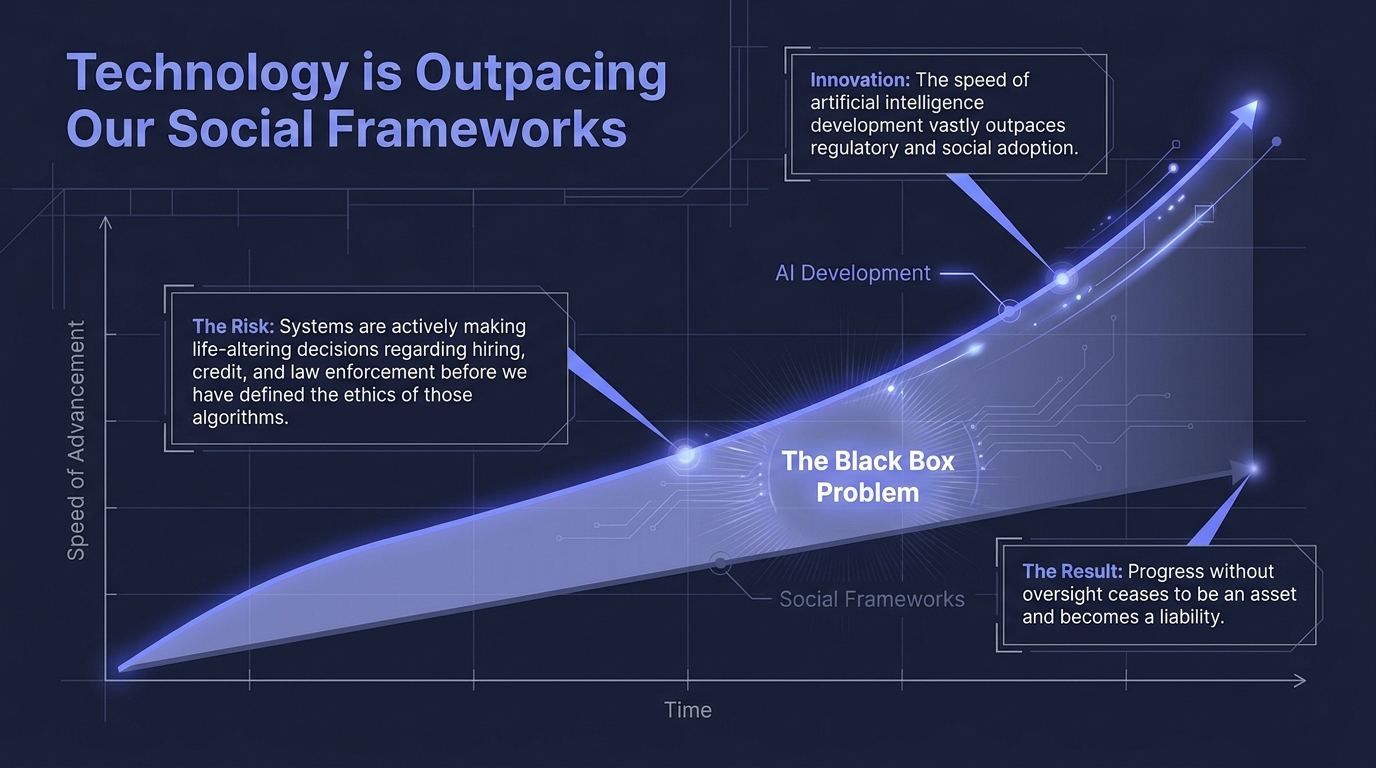
This site was born out of a simple observation: the speed of AI development is currently outpacing the speed of our social frameworks. We are a collection of developers, writers, and ethicists dedicated to closing that gap. Through deep-dive articles, community discussions, and curated resources, we break down complex AI concepts into actionable knowledge. We don’t just follow the trends; we analyze their impact on privacy, equity, and the human experience.
Bridging the "Pacing Gap"
The core of this mission is the recognition that innovation without oversight isn’t just progress—it’s a risk. When AI development outpaces social frameworks, we see the “black box” problem: systems making life-altering decisions about hiring, credit, or law enforcement before we’ve even defined the ethics of those algorithms.
-
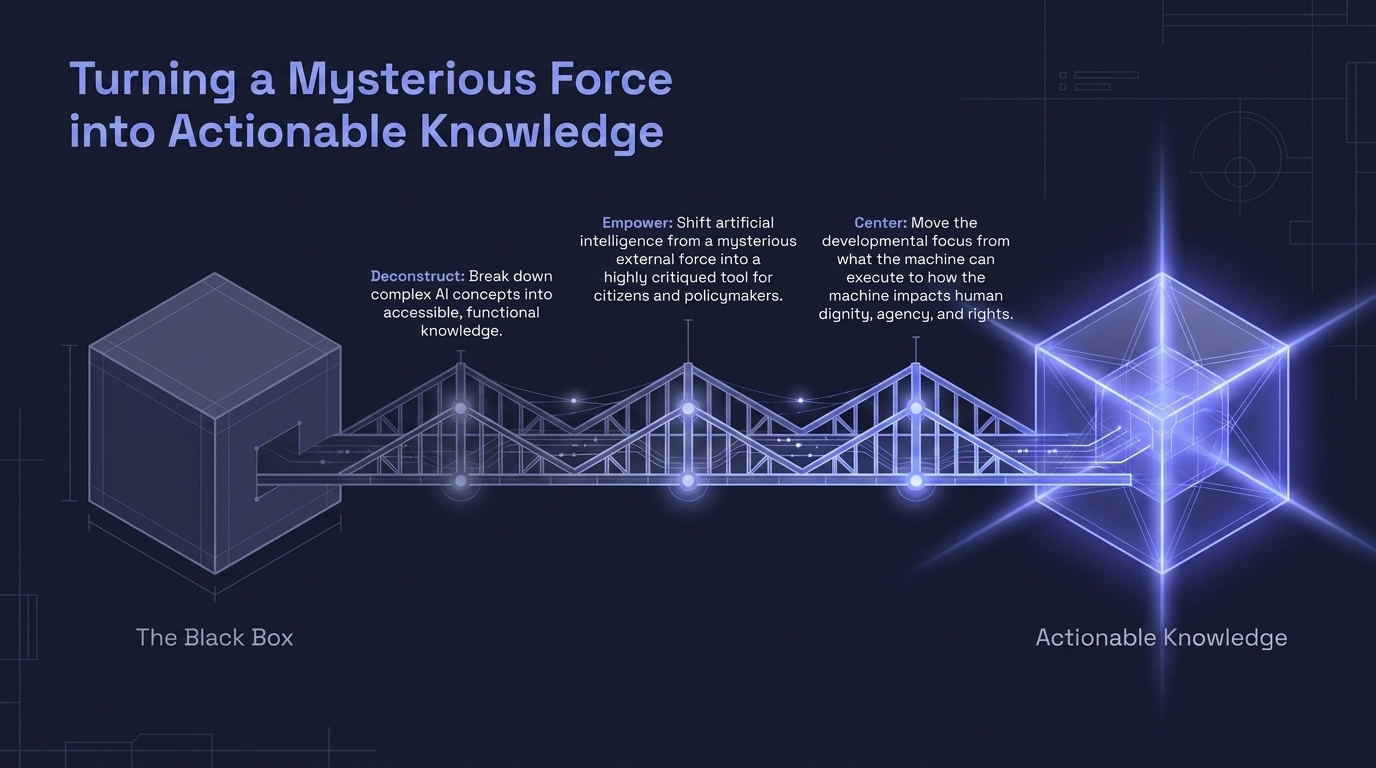
Actionable Knowledge: By breaking down complex concepts, you turn AI from a “mysterious force” into a tool that citizens and policymakers can actually understand and critique.
-
The Human Experience: This shifts the focus from what the machine can do to how it affects a person’s dignity, agency, and rights.
AI in the ASEAN Space: The Digital Frontier
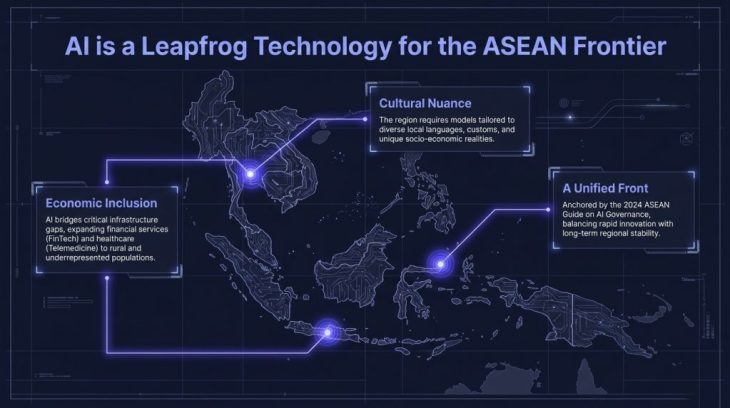
The ASEAN region is one of the fastest-growing digital economies in the world. For this space, AI isn’t just a luxury; it’s a leapfrog technology.
-
Economic Inclusion: In many ASEAN nations, AI can bridge gaps in financial services (FinTech) and healthcare (Telemedicine) for rural or underrepresented populations.
-
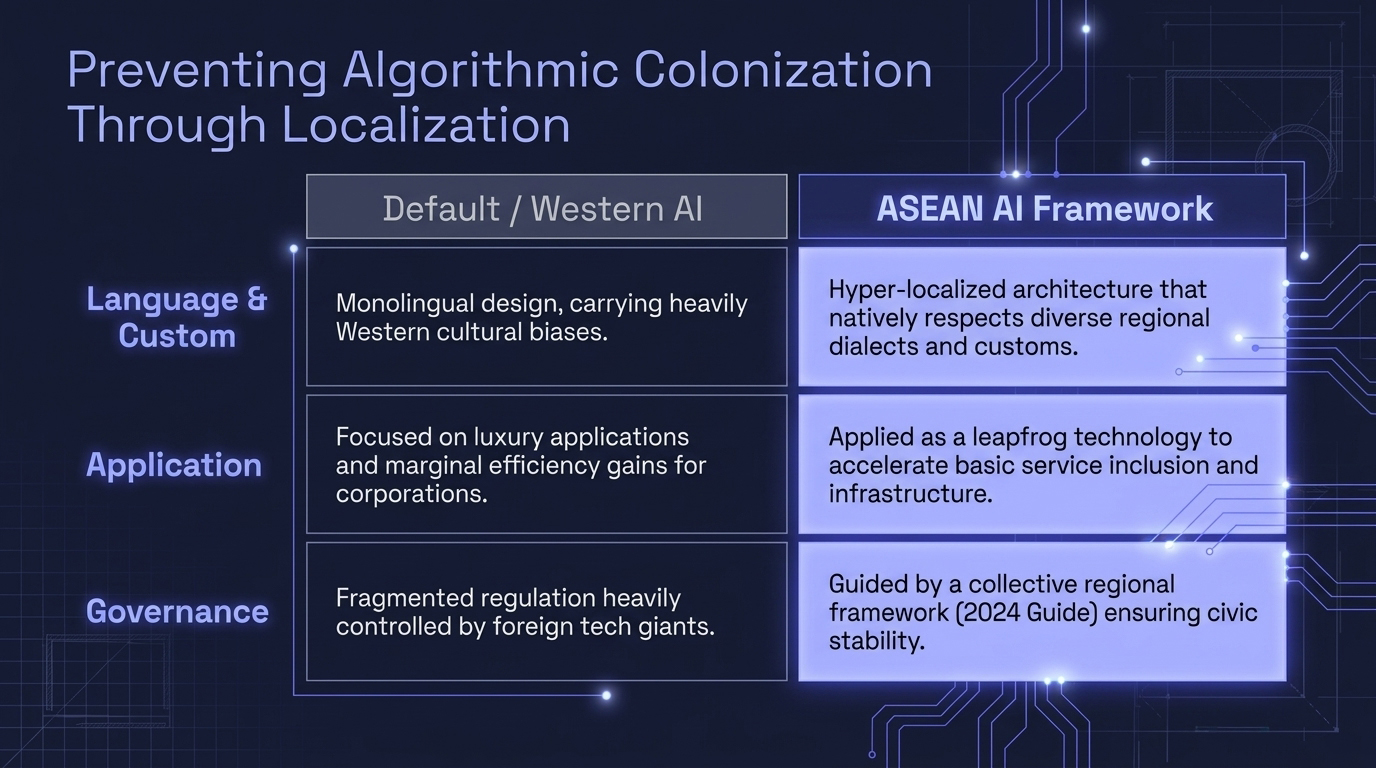
Cultural Nuance: AI development has historically been Western-centric. The ASEAN space requires AI that understands diverse languages, local customs, and unique socio-economic structures to avoid “algorithmic colonization.”
-
A Unified Front: The ASEAN Guide on AI Governance and Ethics (2024) shows that the region is already moving toward a collective framework that balances innovation with regional stability.
Leveraging AI for Good Governance
Good governance isn’t just about “policing” AI; it’s about using AI to be more effective, transparent, and responsive to citizens.
Efficiency and Public Services
-
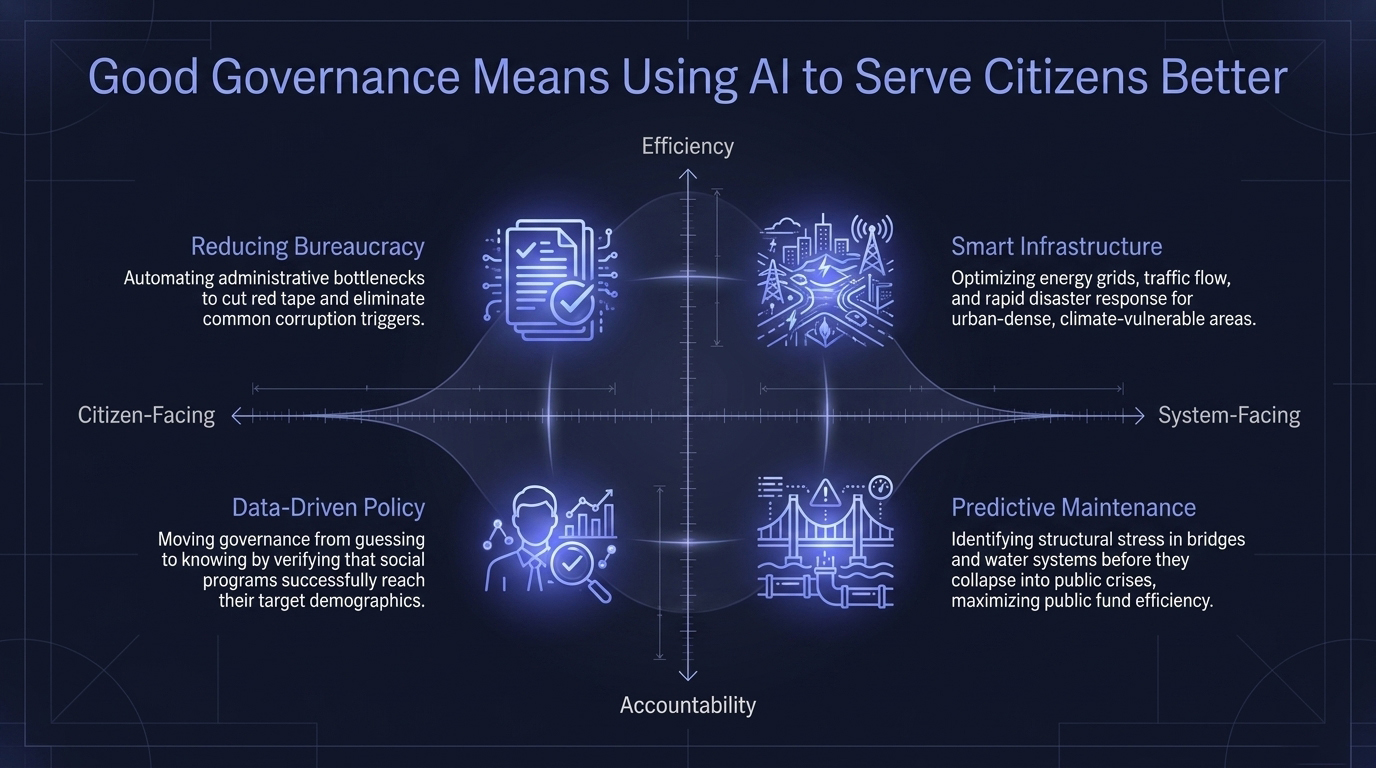
Smart Infrastructure: AI can optimize energy grids, traffic flow, and disaster response—critical for the urban density and climate-vulnerable areas found throughout Southeast Asia.
-
Reducing Bureaucracy: Automated administrative tasks can reduce the “red tape” that often invites corruption, making government services more accessible to the average person.
Transparency and Accountability
-
Data-Driven Policy: Governance moves from “guessing” to “knowing.” AI can analyze vast datasets to determine if a specific social program is actually reaching the people it’s intended to help.
-
Predictive Maintenance: From bridges to water systems, AI helps governments fix problems before they become crises, ensuring public funds are used efficiently.
Why This Site Matters Now
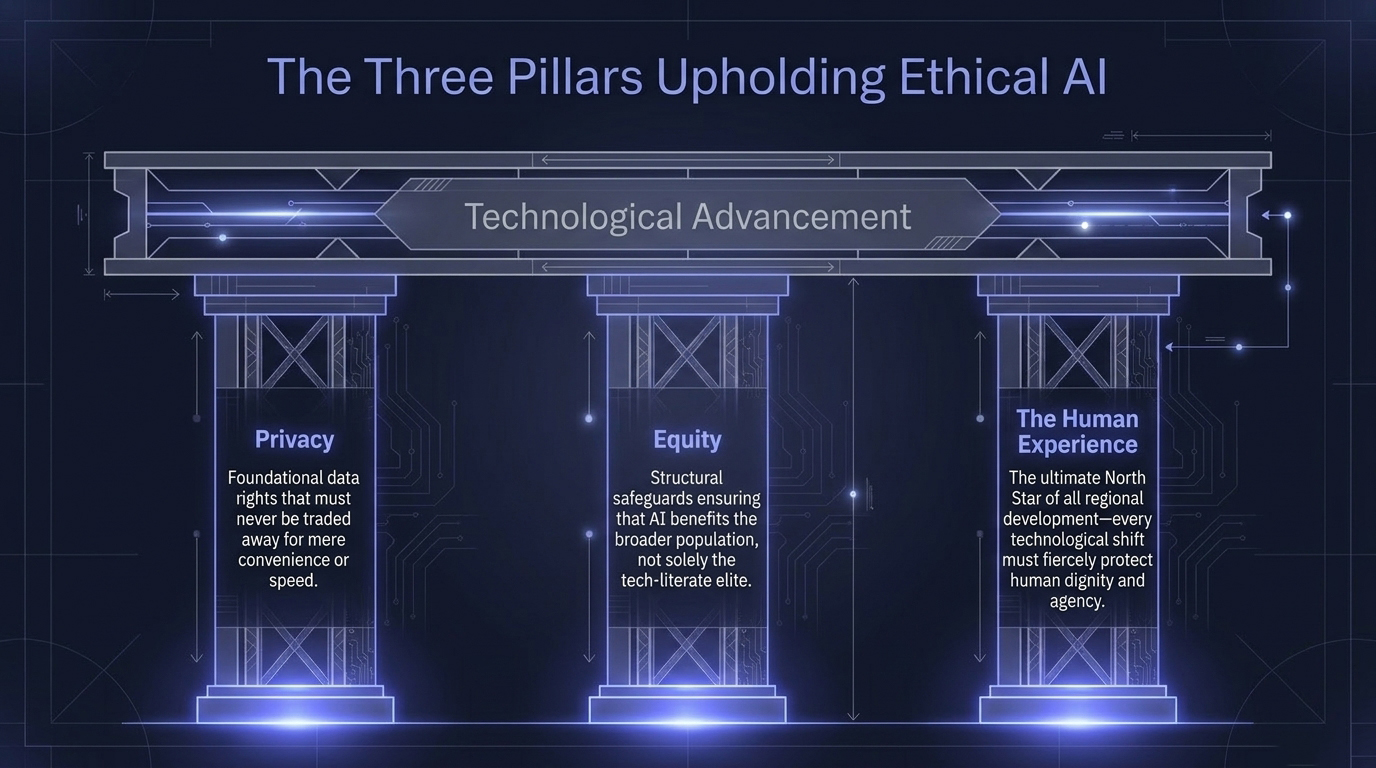
Analyzing the impact on privacy, equity, and the human experience is the final piece of the puzzle. As ASEAN governments adopt these tools, your role as a bridge-builder ensures that:
-
Privacy is not traded for convenience.
-
Equity is maintained so that AI benefits the many, not just the tech-literate few.
-
Human Experience remains the North Star of every technological advancement.
“The goal of AI ethics is not to slow down the machine, but to ensure the person in the driver’s seat knows where the brakes are—and where the car is actually headed.”